
High performance for real humans (in the moments that matter most).
I'm Sarah King. I know what it feels like to navigate the moments that matter and and now I help others pursue, pause, pivot and quit with intention.
In 2022, I hit a wall I couldn't work my way over.
Starting work at 7am, 6am, 5am. A missed meal here. A blurry boundary there. A brain that wouldn't switch off. A body that kept going - until it didn't.
I'd fallen into the trap that high performance means gritting it out. Ignoring the signs that indicated I was heading towards burnout in the hope that if I just tried hard enough it would be ok.
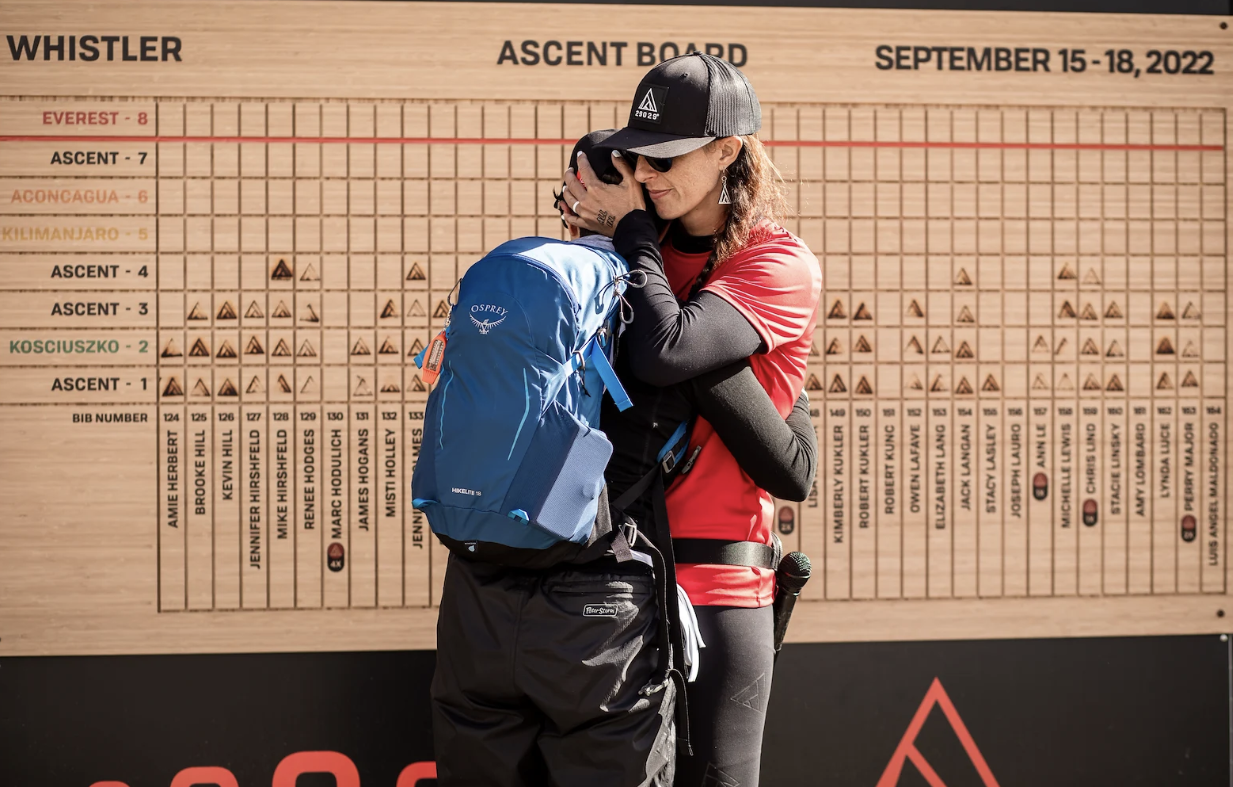
29029, Whistler Canada, 2022
So I started walking.

Alpin8, Austrian Alps, 2026
Every day. Out the door. No podcasts, no music. Just me, my breath and the next step in front of me.
What began as recovery became something else entirely. I discovered endurance and through it, a new lens for everything I thought I knew about performance.
I realised that the same principles that allow ultra-athletes to push beyond their limits apply to anyone working towards something that genuinely matters to them. How deeply connected our energy is to our performance. How easily we ignore it when we're building something we care about.
And somewhere along the way, a question took hold: why do we reserve the science of performance for elite athletes, when the moments that matter most happen to all of us?
That question is what mortl is built on.

Rim2Rim, Grand Canyon. 2024
I believe the ability to manage energy, sustain focus and build resilience isn't just for athletes. It's for anyone navigating a life with real goals, real pressure and real stakes.
That belief has driven me to go deeper. I'm currently studying an MSc in Performance Psychology at Bangor University and a short course in the Neuroscience of Decision-Making at Cambridge - because I want everything I bring to mortl to be grounded in the best available science.
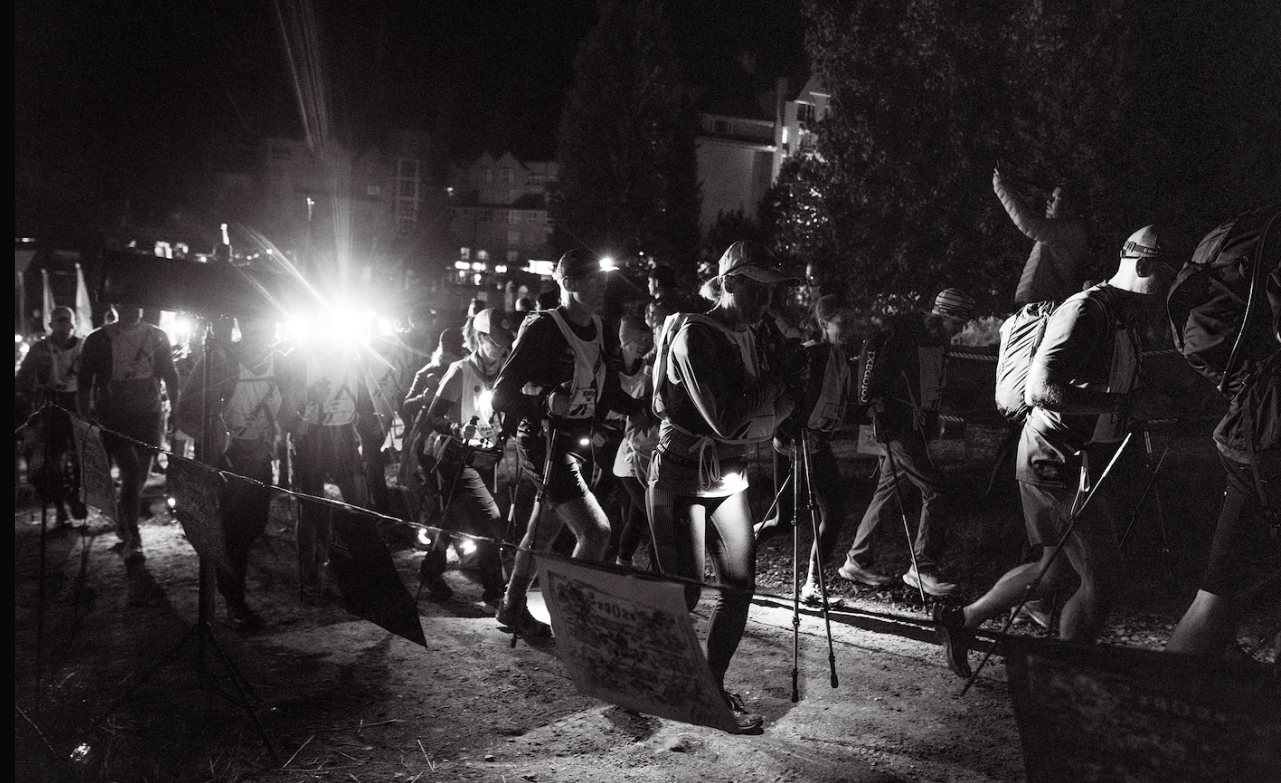
But the learning doesn't only happen in lecture theatres. Cycling 1,500kms across New Zealand, hiking Rim to Rim in the Grand Canyon, competing in 29029 and the 13 Valleys, and this summer, Alpin8 in Austria. It's where I learn the most about my own mind under pressure. (I'm not suggesting you sign up - but I am suggesting the lessons translate).
I bring all of this alongside 30+ years of career experience as a business leader, founder, board member and angel investor and the formal coaching training that underpins how I work with people.
And it's shaped exactly what I help people navigate.
The moments that matter most tend to look like one of four things.
Through my own experiences and years of coaching people through their defining moments, I've noticed a pattern.
When the pressure is highest, when the stakes feel real, we're almost always facing one of these:
Pursue - a goal worth chasing, and the question of whether you have what it takes to go after it well.
Pause - a moment that's asking you to stop, recover or recalibrate before you can move forward with any clarity.
Pivot - a direction that no longer fits, and the courage (and the permission) to change course without losing yourself in the process.
Quit - letting go of something that once mattered but no longer serves you.
These aren't stages. They're not sequential. You might be pursuing one thing and pausing on another at the same time.
But in my experience, almost every significant moment of growth, change or decision maps onto one of them.
That's why they're at the heart of everything mortl does.
Everything I share through mortl - through coaching, the mastermind, and the resources I create - draws from my lived experience as a coach, a founder, a Board Member, an angel investor and a (very amateur!) endurance athlete.
Some things I believe.
Grit alone, sustained long enough, leads to burnout - I've learnt that twice
Confidence follows action, not the other way around
Having someone in your corner who can see a version of you that you can't yet see yourself changes everything
Performance science doesn't belong only in elite sport - the tools that help athletes manage pressure, energy and focus under stress are just as relevant to anyone navigating a demanding life
Recovery isn't the opposite of performance - it's part of it. Knowing when to pause isn't weakness; it's one of the most underrated skills there is